Aluminum Sliding Windows: Types, Glass Options, Cost Factors and Buying Guide
A project-focused guide for contractors, developers, architects and importers who need to specify aluminum sliding windows with the right frame system, glass, hardware, finish and quotation documents.
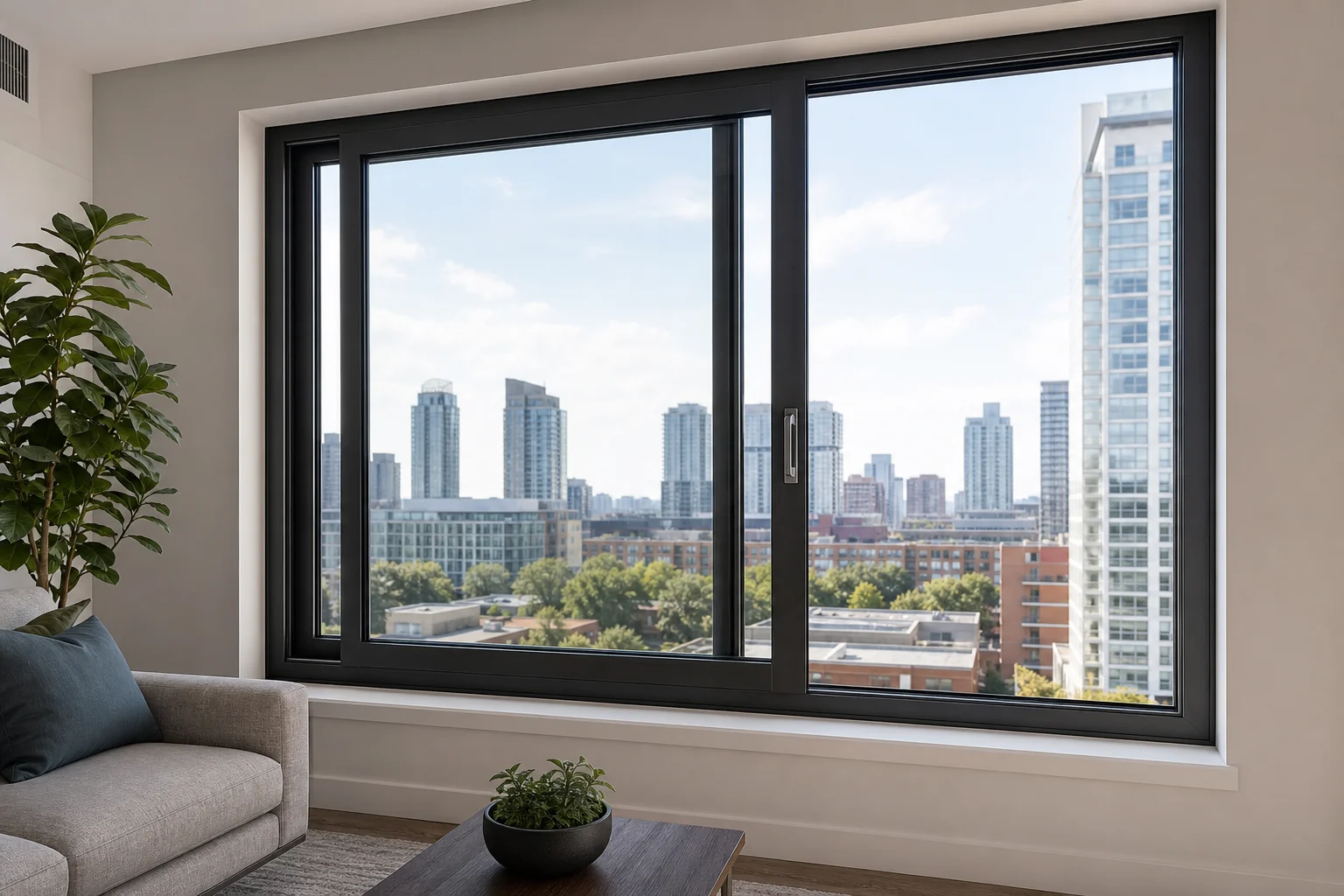
Overview
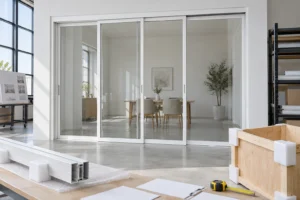
Aluminum sliding windows are widely used in apartments, villas, hotels, schools, commercial buildings and residential developments because they save space, provide wide daylight openings and can be produced in repeatable project schedules. The main procurement question is not only whether the sash slides smoothly, but whether the selected frame, glass, hardware, finish and documents match the project requirement.
Rogenilan supplies aluminum windows and doors for customized project orders. Buyers can review the Sliding Windows product category and the RGNL-120-30 Thermal Break Sliding Window before preparing a technical enquiry.
Quick Specs for Aluminum Sliding Window Enquiries
| Item | What to Confirm |
|---|---|
| Product type | Aluminum sliding window, thermal break sliding window, fixed-plus-sliding window or multi-track sliding window. |
| Typical application | Apartments, villas, hotels, residential buildings, schools, offices and commercial spaces. |
| Frame material | Aluminum profile; Rogenilan’s RGNL-120-30 product information lists 6063-T5 aluminum. |
| Frame depth | Depends on system; RGNL-120-30 uses a 120 mm frame size. |
| Sash or fan width | Depends on system; RGNL-120-30 lists 30 mm fan width. |
| Profile thickness | Must be confirmed by system and opening size; RGNL-120-30 lists 2.0-5.0 mm. |
| Glass options | Single, double insulating, laminated insulating, Low-E, tempered, tinted or project-specific glass. |
| Listed RGNL-120-30 glass | Double tempered insulating glass, 5 mm + 15A + 5 mm. |
| Hardware | Lock type, roller system, handle position, locking points, color and spare parts. |
| Quote inputs | Window schedule, drawings, quantities, glass specification, finish, hardware, delivery destination and Incoterm. |
Main Types of Aluminum Sliding Windows
Standard Sliding Windows
Suitable for projects where cost control, simple operation and wide daylight are important, especially in moderate climates or interior-facing openings.
Thermal Break Sliding Windows
Use an insulating barrier between interior and exterior aluminum sections. This is often a better starting point for apartments, villas and hotels.
Fixed-Plus-Sliding Windows
Combine fixed glass panels with sliding sashes to increase views while keeping part of the opening operable.
Multi-Track Sliding Windows
Used for wider openings. Confirm sash size, roller load, drainage, overlap, lock position and glass weight before approval.
How to Choose the Right Sliding Window System
Start with the project location, climate, building height, opening size and required performance. A small residential opening and a high-rise coastal project should not be specified in the same way.
For residential apartments, buyers often prioritize thermal comfort, acoustic control, easy maintenance and consistent appearance across many units. For hotels and serviced apartments, acoustic performance, smooth operation and finish durability may be more important. For villas, larger glass sizes, custom colors and design coordination with doors or curtain wall areas can become the main decision factors.
Glass Options for Aluminum Sliding Windows
Glass is one of the largest drivers of performance and cost. A quotation that only says “double glass” is not enough for serious project procurement.
Specify the exact glass build-up, including glass thickness, air space, laminated layer, Low-E coating, tempered treatment, tint, gas fill and safety marking. If acoustic reduction or thermal performance is required, ask whether the submitted value refers to the glass only or the whole window configuration.
Rogenilan’s RGNL-120-30 product information lists double tempered insulating glass with a 5 mm + 15A + 5 mm build-up. For laminated glass, Low-E glass, triple glazing or local safety compliance, confirm feasibility in writing before production.
Cost Factors Buyers Should Compare
The price of aluminum sliding windows changes with more than the square meter area. A lower unit price may exclude hardware, screens, special glass, packaging, freight or documents.
- Frame system and profile thickness
- Thermal break or non-thermal-break structure
- Window size and sash weight
- Number of tracks and panel layout
- Glass build-up, coating and safety treatment
- Hardware brand, roller load and lock function
- Powder coating, anodizing or wood grain finish
- Screens, trims, anchors, sill parts and accessories
- Quantity, packing method and delivery destination
- Testing, certification or project documentation requirements
What to Send Before Requesting a Quote
To receive a useful quotation, send a clear enquiry package instead of only asking for a price per square meter.
- Project location and building type
- Window schedule with width, height and quantity
- Drawings, elevations or opening details
- Interior and exterior view direction
- Panel layout and opening direction
- Glass requirement and safety standard
- Frame color, finish and sample requirement
- Hardware function, lock requirement and handle position
- Screen, trim, sill and accessory requirements
- Delivery destination, Incoterm and target date
FAQ
Are aluminum sliding windows suitable for high-rise buildings?
They can be used in high-rise projects when the selected system, glass, hardware and installation method meet the required wind-load, water-penetration and safety criteria. Request project-specific confirmation before approval.
Is a thermal break sliding window always necessary?
Not always. Thermal break systems are usually selected when energy performance, interior comfort or condensation control matters. For budget-driven or moderate-climate projects, a non-thermal-break system may also be reviewed if it meets the project requirement.
What glass is best for sliding windows?
The best glass depends on climate, acoustic requirement, safety standard, building height and budget. Double tempered insulating glass is a common option, while Low-E, laminated, tinted or thicker glass may be required for specific projects.
How should buyers compare aluminum sliding window prices?
Compare the same frame system, profile thickness, glass build-up, hardware, finish, accessories, packing and freight scope. Do not compare only the headline square-meter price.
Request an Aluminum Sliding Window Quote
If you are preparing a residential, hotel, villa or commercial project, send Rogenilan your window schedule, drawings, quantities, glass requirement, color, hardware requirement and delivery destination. The team can review the suitable aluminum sliding window system and prepare a quotation based on a clear specification.