RGNL-85 Sliding Tilt Window China Manufacturer Glass Options
For the RGNL-85 sliding-and-tilt window, use the published glass families only as a starting point. The order should define every pane, cavity, treatment and coating position, then connect that glass schedule to the sash and hardware return.
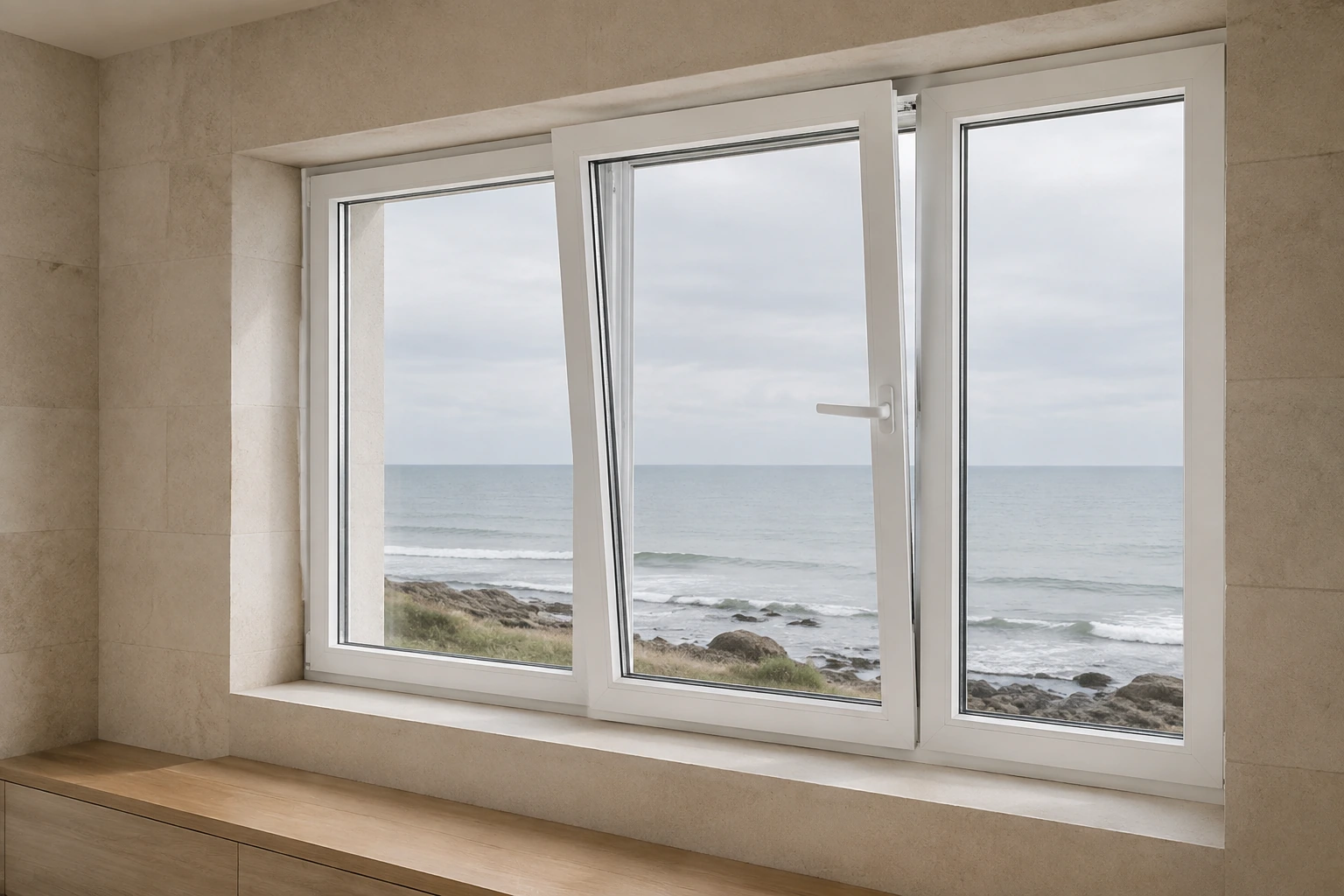
Direct Answer for RGNL-85 Glass Selection
The official RGNL-85 Thermal Break Sliding And Tilt Window page lists tempered glass, double- or triple-tempered glass, and the double-glazing notation 5 mm + 22Ar + 5 mm. It also identifies an 85 mm track, a 6063-T5 thermal-break aluminum profile, 1.8 mm aluminum thickness and sliding-and-tilt operation.
These are product-page facts, not a complete project glass schedule. Buyers should review the Sliding Windows product category, then request a returned proposal that defines the offered panes, cavity, treatments, coating surfaces and compatibility with the actual sash.
Quick Specs for an RGNL-85 Glass RFQ
| Item | Verified Product Data | Buyer Approval Control |
|---|---|---|
| Product | RGNL-85 Thermal Break Sliding And Tilt Window | Repeat the exact product and opening mark on the quotation and drawings. |
| Track width | 85 mm | Confirm the proposed section and glass position on the returned drawing. |
| Profile | 6063-T5 thermal-break aluminum | Request the applicable section details for the quoted sash. |
| Aluminum thickness | 1.8 mm | Ask which sections the listed value applies to. |
| Glass families | Tempered, double-tempered and triple-tempered glass are listed | Select one complete build-up for every opening mark. |
| Published notation | 5 mm + 22Ar + 5 mm double glazing | Preserve the source notation and obtain a written definition of the cavity, spacer and fill. |
| Opening mode | Sliding and tilt | Connect glass data to the active sash, direction and operating sequence. |
| Finish routes | Powder coating, anodized, wood-grain and PVDF coating | Approve the frame finish and color against the project schedule. |
Compare the Published Glass Options Without Guessing
Tempered Glass
The product page lists tempered glass. The quotation still needs the pane thickness, heat-treatment description, safety requirement and the opening marks where it applies.
Double-Tempered Glass
The source also lists double-tempered glass. Require both panes, the full cavity description, spacer, edge treatment and any coating position to be stated.
Triple-Tempered Glass
Triple-tempered glass is listed as an option, but no complete build-up is published. Do not infer pane or cavity values from the double-glazing line.
Published 5+22Ar+5 Notation
Keep the notation exactly as shown during enquiry. Ask Rogenilan to define what “22Ar” means for the proposed order and confirm every component in writing.
How to Select Glass for Sliding-and-Tilt Operation
Begin with the project requirement and the window schedule, not a generic glass label. Record the building location, opening dimensions, safety rules, required thermal or acoustic evidence, solar-control intent and interior/exterior viewing side. When performance is specified, request documents that match the proposed window size, profile, glass and opening configuration.
Next, ask for the finished glass thickness and weight for every active sash. The public page does not publish a universal sash-size or glass-weight limit, so compatibility must be confirmed for the offered hardware and sliding-and-tilt movement. The same returned drawing should identify the handle position, travel direction, tilt clearance and any operating restrictions.
Finally, freeze the glass schedule before production release. Any approved sample, color or coating reference should use the same glass code that appears on the quotation, drawings, inspection records and package marks.
Glass and Quotation Factors to Normalize
No verified public price applies to every RGNL-85 window. Compare quotations only after each proposal uses the same opening schedule and glass definition.
- Window width, height and quantity
- Active-sash and tilt configuration
- Number and thickness of glass panes
- Cavity, spacer and fill description
- Tempering and other required treatments
- Coating, tint and surface position
- Finished glass thickness and weight
- Hardware compatibility confirmation
- Sample and performance-document scope
- Packing, destination and delivery terms
What to Send for an RGNL-85 Glass Quote
- Project country and building type
- Controlled window schedule revision
- Opening marks, dimensions and quantities
- Interior and exterior elevation views
- Sliding direction and tilt-sash marks
- Required glass build-up by opening
- Safety, thermal, acoustic or solar criteria
- Coating, tint and appearance references
- Frame finish and physical sample needs
- Required calculations, reports or certificates
- Inspection and glass-label records
- Destination, Incoterm and target date
Ask the returned quotation to identify every deviation and assumption. For the published 5 mm + 22Ar + 5 mm notation, require a written explanation rather than silently converting it to another build-up.
RGNL-85 Glass Options FAQ
Which glass options are published for the RGNL-85?
The official page lists tempered glass and double- or triple-tempered glass. It publishes one double-glazing notation, but it does not provide a full build-up for every listed family.
Can a buyer order using only “5 mm + 22Ar + 5 mm”?
No. Preserve that source notation, then ask for a written glass schedule defining both panes, the cavity, spacer, fill, treatments, coating positions and finished unit data.
Does the product page publish a glass-weight limit?
No universal glass-weight or sash-size limit is stated. Ask for compatibility confirmation for the quoted dimensions, glass and sliding-and-tilt hardware.
Does a listed glass family prove project performance?
No. If the project has thermal, acoustic, safety, wind, water or air criteria, request evidence that applies to the offered configuration and intended market.
What should be approved before production?
Approve the window schedule, sash and movement drawings, complete glass schedule, frame finish, hardware return, applicable evidence, sample plan, inspection points and package marks.
Request an RGNL-85 Glass-Schedule Quote
Send Rogenilan the opening schedule, sash directions, glass requirement, frame finish, project criteria, quantity, destination and document needs. The returned proposal can then connect each glass build-up to one defined RGNL-85 window mark.