75 Series Aluminum Bi-Fold Doors China Manufacturer: Price, Performance and Import Details
Large openings can connect an interior with a terrace, courtyard, restaurant seating area, or shared amenity space. The door system still has to match the opening dimensions, panel layout, glass specification, threshold conditions, and local project requirements.
Rogenilan's 75 Series is listed in the 2024 product catalog as a thermal break heavy-duty aluminum bi-folding door. For buyers comparing an aluminum bi-fold doors China manufacturer, this article explains the cataloged configuration, price factors, performance documents, and import information needed before an order can be evaluated.
View the Folding Doors product category or review the RGNL-75 Thermal Break System Folding Door before sending project drawings for a quotation.
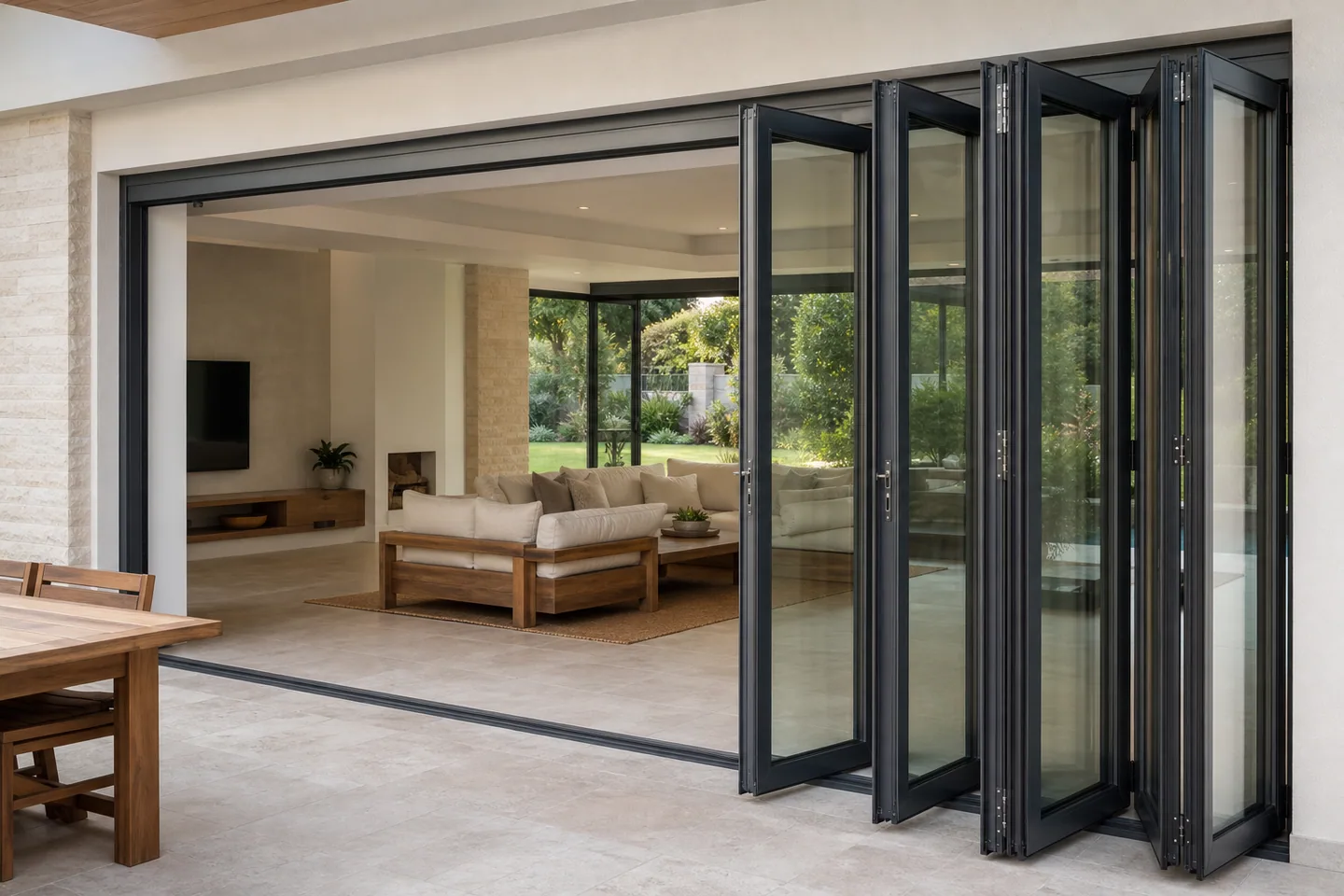
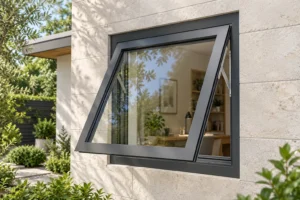
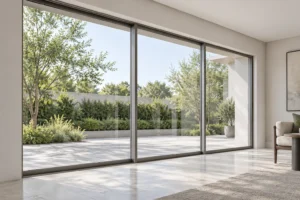
Illustrative application scene. Final panel proportions, track, glass, hardware, and finish depend on the approved project specification.
Verified 75 Series Specifications
The following details are taken from the Rogenilan 2024 product catalog. They describe available configurations rather than a universal specification for every order.
| Item | Cataloged specification |
|---|---|
| Product type | Thermal break heavy-duty aluminum bi-folding door |
| Frame size | 75 mm |
| Sash width | 70 mm |
| Aluminum profile | 6063-T5 |
| Profile thickness | 2.0-4.0 mm |
| Track options | High track or low track |
| Insulating glass option | 5 mm + 15A + 5 mm double tempered insulating glass |
| Laminated insulating option | 5 mm + 1.14 PVB + 5 mm + 12A + 5 mm |
| Triple-glazed option | 5 mm + 6A + 5 mm + 6A + 5 mm |
| Glass slot | 30 mm |
| Hardware listed in catalog | Germany LSM complete folding-door system hardware |
The catalog also illustrates several panel arrangements. The final arrangement should be confirmed on project shop drawings because the number of panels, stacking direction, access leaf, and opening direction affect both use and installation.
Where the 75 Series May Fit a Project
A bi-fold system may suit villa terraces, apartment amenity rooms, clubhouses, restaurants, and enclosed patios that require a wide clear opening. Suitability still depends on stacking space, structural opening, floor build-up, exposure, access, and frequency of operation. High-track and low-track options create different sill conditions, so the project detail must guide the selection.
What Determines the Price from a China Manufacturer?
There is no reliable project price without dimensions and a defined scope. The main cost variables include overall size, panel count, aluminum quantity, profile thickness required for the configuration, glass build-up, high or low track, hardware and locks, finish, screens or accessories, order quantity, packaging, and delivery destination.
Buyers should request an itemized quotation showing whether glass, hardware, finish, packaging, spare parts, technical documents, and freight are included. Prices from two suppliers are not comparable when the specifications or Incoterms are different. Rogenilan should confirm the final price only after reviewing the drawings and order requirements.
Five Decisions to Make Before Requesting a Quote
1. Confirm the opening and panel layout
Provide the structural opening width and height, not only an approximate finished dimension. Mark whether panels should stack inside or outside and identify the preferred stacking side. If the opening needs a frequently used access leaf, show it on the elevation.
Very wide openings may require structural review and more than one frame section or stacking group. The supplier should confirm feasible panel sizes after receiving the drawings and design requirements.
2. Select the track according to the sill condition
The 75 Series lists both high-track and low-track options. The project detail should show the interior finish level, exterior paving level, waterproofing interface, drainage route, and any accessibility requirement. This information allows the door threshold to be coordinated with the floor rather than treated as a separate item after production.
3. Specify the glass build-up
The catalog lists double tempered insulating glass, a laminated insulating configuration, and a triple-glazed configuration. Selection should be based on the project's safety, thermal, acoustic, solar-control, and local code requirements.
Do not approve glass only by its total thickness. A purchase specification should identify each pane, cavity, interlayer, coating if required, spacer, gas fill if required, safety treatment, and applicable test standard. The final glass weight also affects panel design and hardware selection.
4. Coordinate finish and hardware
Finish selection should be confirmed with a physical or approved color sample. The project team should also identify environmental exposure, especially for coastal or high-humidity locations, so that the required finish specification can be reviewed.
For hardware, confirm handle style, lock arrangement, cylinder requirements, panel catches, and the hardware finish. Hardware shown in a catalog image should not replace a written hardware schedule for the order.
5. Define the required performance evidence
The phrase “thermal break” identifies the system type but does not establish a project-specific U-value. Before ordering, state the required thermal, air, water, wind-load, and acoustic criteria and request reports or calculations that apply to the proposed configuration.
Requirements can vary with product size, glass, hardware, installation, and test method. Buyers should verify that any submitted report covers a configuration relevant to their project instead of relying only on a certification logo or a value taken from another series.
Information to Send to an Aluminum Door Supplier in China
A complete enquiry reduces revisions and makes quotations easier to compare. Include:
- Project location and building type
- Door schedule, plans, elevations, and opening dimensions
- Quantity for each size and configuration
- Panel count, stacking direction, and access-leaf requirement
- High-track or low-track preference, with sill details
- Required glass build-up and performance criteria
- Finish, color reference, and exposure conditions
- Hardware and locking requirements
- Applicable building code, test standard, and documentation requirement
- Packaging, delivery destination, and target installation date
When several suppliers quote the same project, compare the scope line by line. Check whether glass, hardware, screens, flashings, packaging, spare parts, testing documents, and shipping are included or excluded. A lower unit price may represent a different scope rather than an equivalent product.
Import Details to Confirm Before Production
The buyer should confirm the Incoterm, port or delivery address, shipping method, packaging format, shipment marks, and required commercial documents. Product compliance and import documentation depend on the destination market and project, so the applicable requirements must be provided before production rather than assumed from a catalog logo.
For container planning, request packed dimensions, gross weight, package count, and loading method. Confirm who is responsible for customs clearance, duties, destination charges, unloading, and inland delivery. These details affect the landed cost even when the product price is unchanged.
Pre-Production Checks for Project Orders
Before production, the buyer and supplier should approve the final door schedule, shop drawings, finish sample, glass specification, hardware schedule, and packaging method. For a project with repeated units or a critical opening, a sample corner, first article, or project mock-up can help verify interfaces before the full quantity is produced.
Installation responsibility should also be clear. Confirm who supplies anchors, perimeter sealants, sill membranes, flashings, and drainage connections. The opening tolerance and substrate requirements should be communicated to the site team before the doors arrive.
Frequently Asked Questions
Can the 75 Series use laminated or triple glazing?
Yes. The 2024 catalog lists a laminated insulating configuration and a triple-glazed configuration in addition to double tempered insulating glass. The supplier must confirm the selected build-up for the proposed panel size and project requirements.
Is a low track suitable for every exterior opening?
No single threshold is suitable for every project. Exterior exposure, drainage, floor levels, waterproofing, and accessibility requirements must be reviewed before selecting a high or low track.
Does the catalog provide enough information for final approval?
The catalog is useful for identifying the system and available configurations. Final approval should be based on project-specific shop drawings, glass and hardware schedules, finish samples, and the required supporting technical documents.
Request a Project Review
Send Rogenilan your door schedule, drawings, project location, glass requirements, finish, quantities, destination, and required delivery date. The product team can then review the intended configuration and prepare a quotation based on the confirmed project scope.