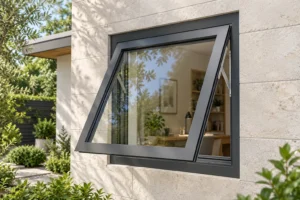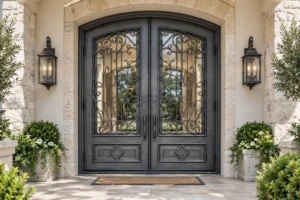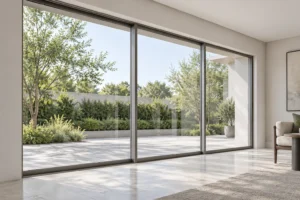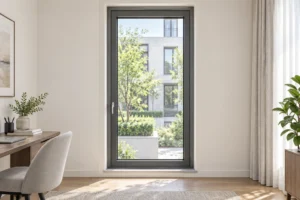
As global demand for energy-efficient, environmentally-friendly, and high-quality windows and doors continues to rise, aluminum windows and doors have become one of the most essential building materials in the global market. China, as a leading producer of aluminum windows and doors, offers significant advantages in price competitiveness, manufacturing capabilities, and export services, making it the ideal choice for many B2B buyers. For customers looking to purchase aluminum windows and doors directly from suppliers, understanding the factory price system of China’s B2B aluminum window and door suppliers is essential.

1. Price Advantages of Chinese Aluminum Windows and Doors
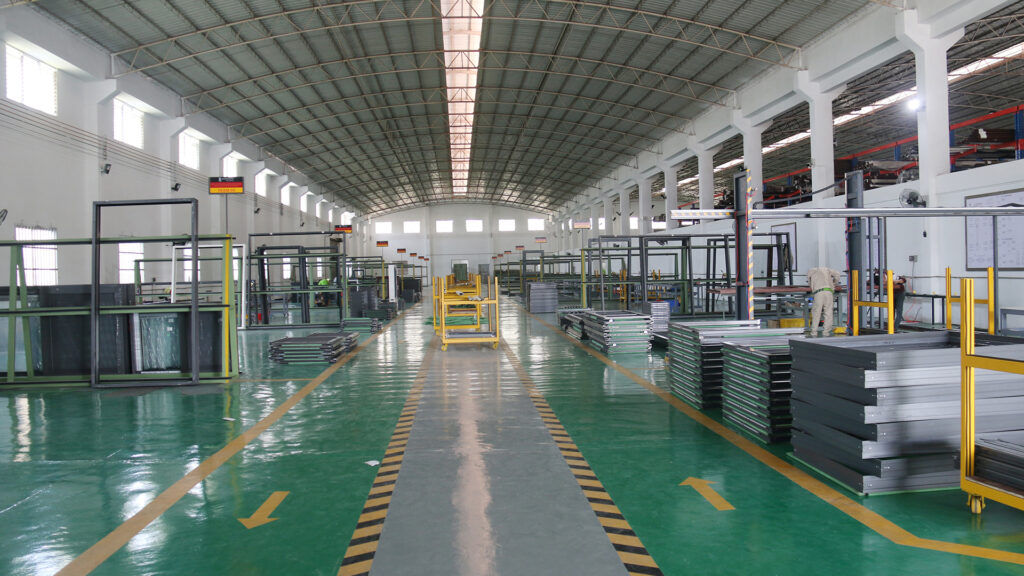
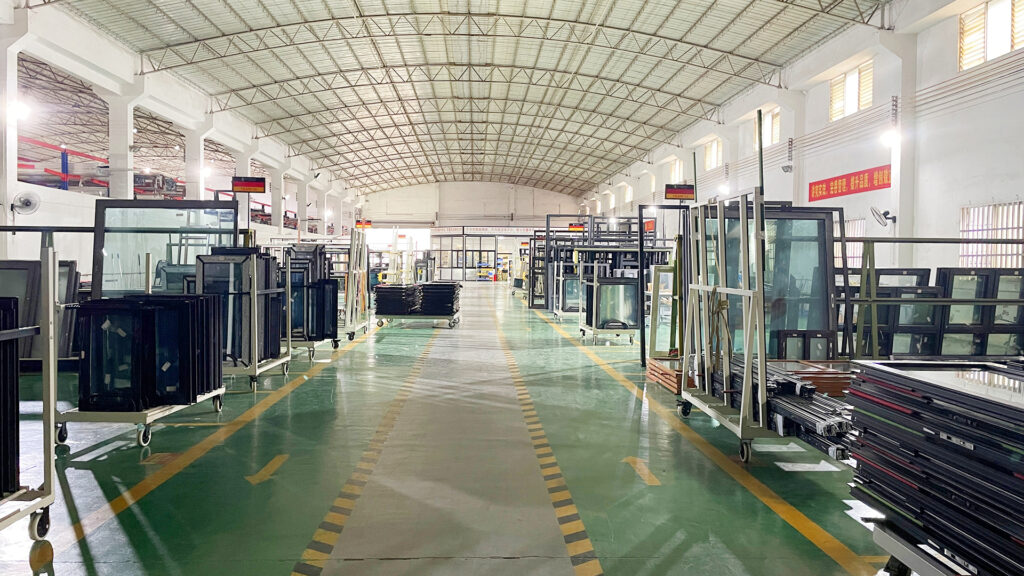
The factory price of aluminum windows and doors from Chinese suppliers is usually 30%-50% lower than that of suppliers from other countries. This is due to China’s mature production technology, abundant raw material resources, and large-scale production capabilities. Manufacturers in China can reduce production costs through large-scale manufacturing and automated assembly lines, thus offering competitive prices to global customers.
Direct Factory Price, Avoiding Middleman Markups
By working directly with aluminum window and door B2B suppliers, buyers can bypass the middleman and enjoy factory pricing, thereby cutting unnecessary costs. Typically, purchasing products through this direct supply method can offer 15%-30% in price savings, especially with bulk orders, where the price advantage is even more significant.
Automated Production to Lower Costs
Most Chinese aluminum window and door suppliers use automated production equipment such as CNC cutting, automatic welding, and spraying, which greatly improve production efficiency, reduce labor costs, and minimize errors, making the factory price even more competitive.
2. Key Factors Affecting Aluminum Window and Door Factory Prices
The “factory price” is not a fixed number but a dynamic result influenced by various factors. Understanding these variables is key to efficient communication with suppliers and securing the best quotes.
Aluminum Material Costs: The Foundation of Quality
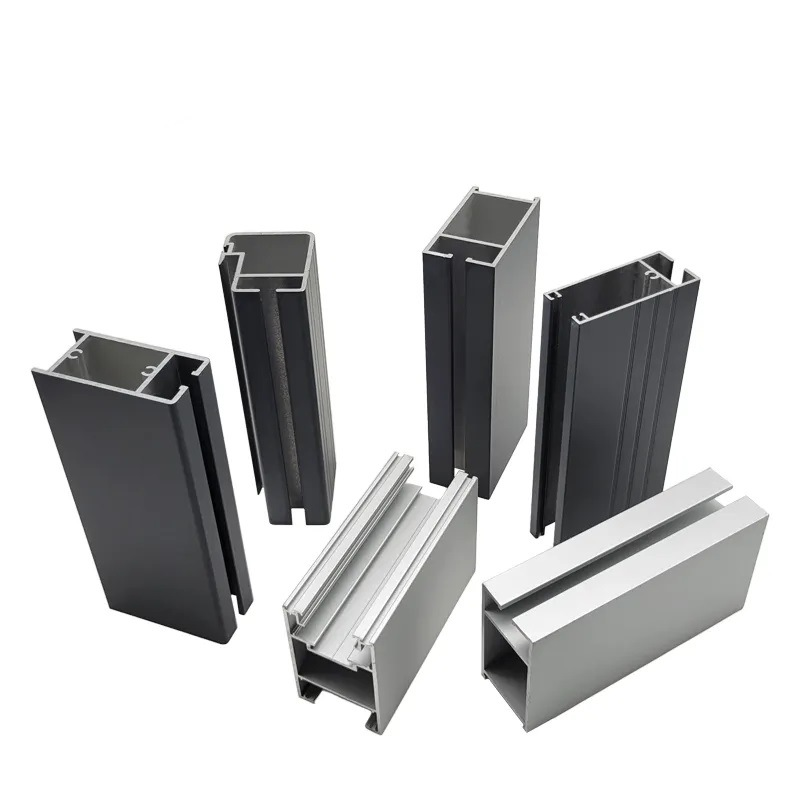
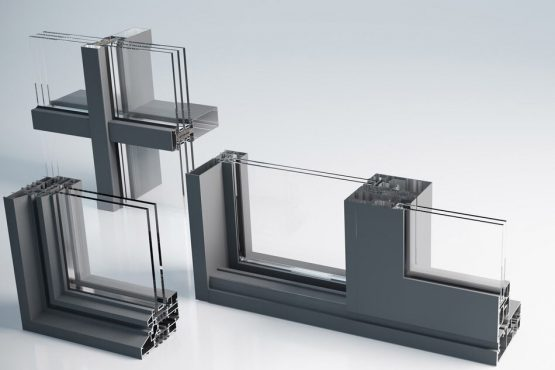
Primary Aluminum vs. Recycled Aluminum: Using high-quality primary aluminum profiles is more expensive than recycled aluminum, but offers superior strength, corrosion resistance, and surface treatment.
Profile Wall Thickness: National standards require a minimum wall thickness for different types of profiles (e.g., 1.4mm, 1.6mm, 1.8mm). The thicker the wall, the higher the material usage and structural stability, and the higher the price.
Glass Configuration: Core to Performance and Price
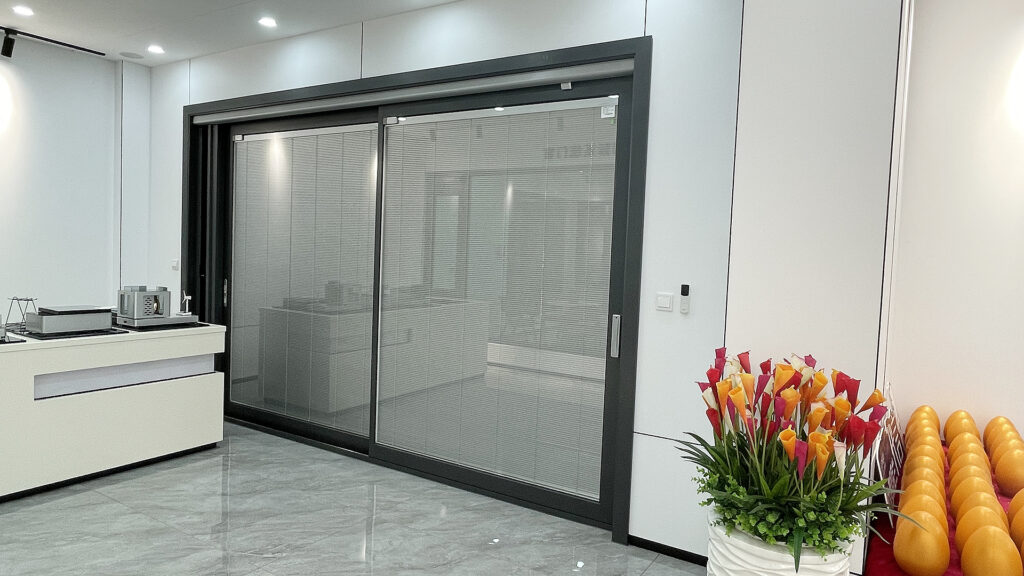
Single, Double, and Triple Glazed Glass: More layers of glass provide better insulation, leading to higher costs.
Argon Gas Filling, Low-E Coating: These upgrades improve energy efficiency, adding to the cost.
Tempered Glass: Offers higher safety compared to regular glass, increasing the price.
Hardware Accessories: The “Heart” of Doors and Windows
Domestic vs. International Brands: Using top-tier imported hardware (e.g., German Hoppe, Siegenia) can increase the cost by several times compared to local brands.
Standard vs. Upgraded Features: Special functions such as multi-point locking, anti-theft features, etc., will raise hardware costs.
Surface Treatment Processes: Ensuring Durability and Aesthetics
Anodizing, Electrophoretic Coating, Powder Coating, Fluorocarbon Coating: More complex processes offer superior weather resistance, UV stability, and long-lasting color, increasing the price.
Wood Grain Transfer: Replicates wood grain for specific architectural needs, costing more than regular spraying.
Technology and Design Complexity
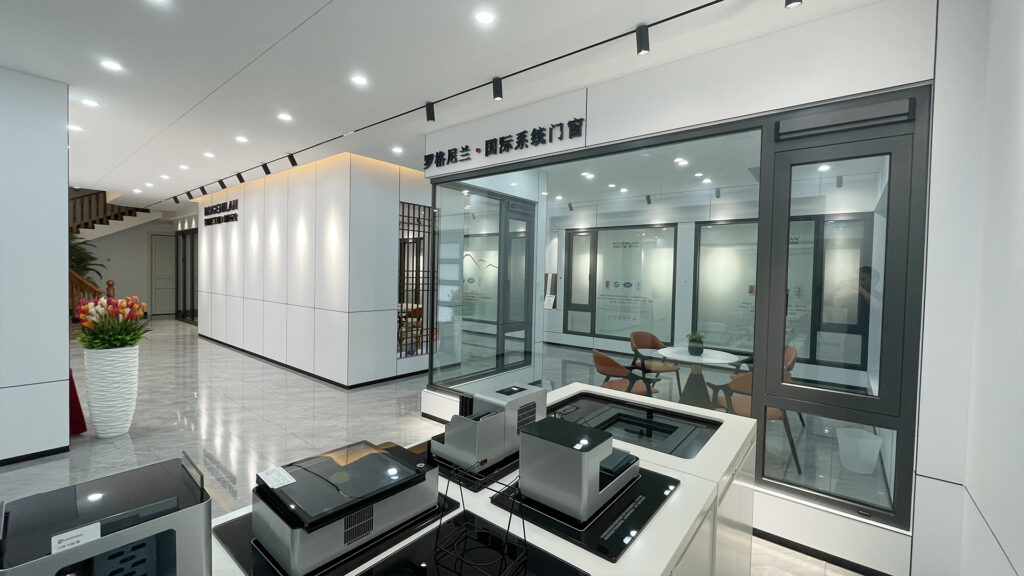
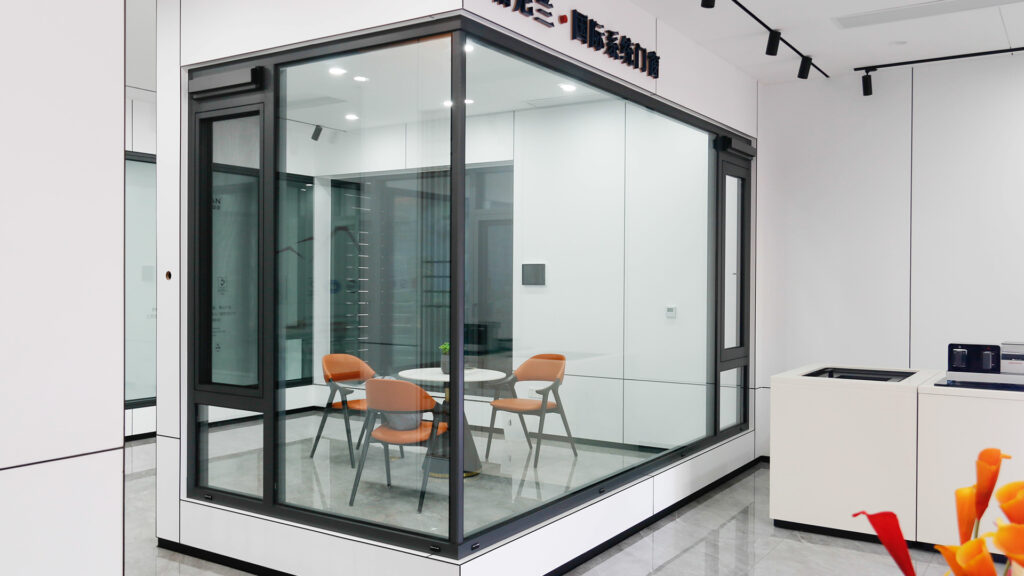
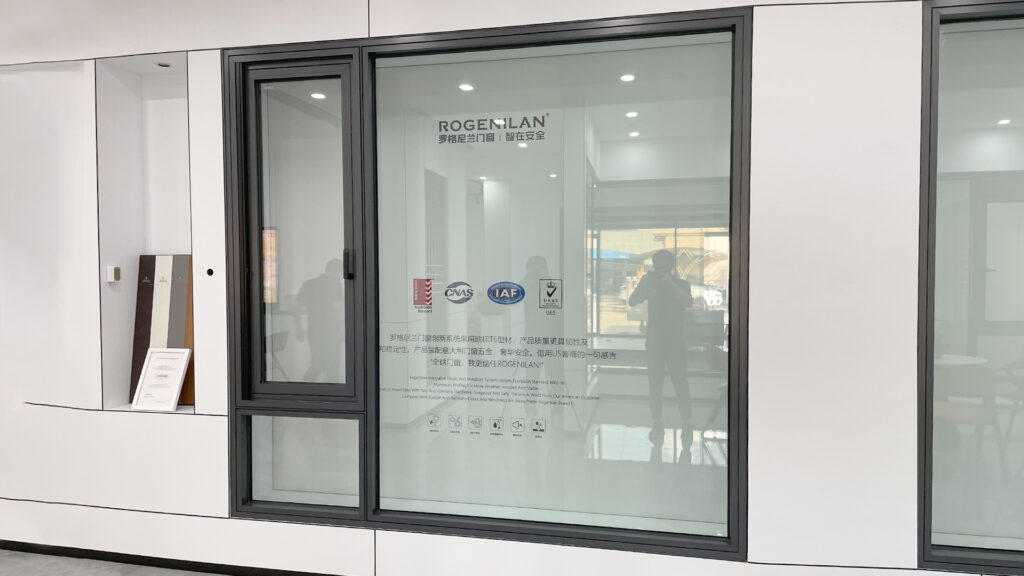
System Windows vs. Ordinary Thermal Break Windows: System windows are meticulously designed solutions with enhanced structural, sealing, and material features, making them more expensive.
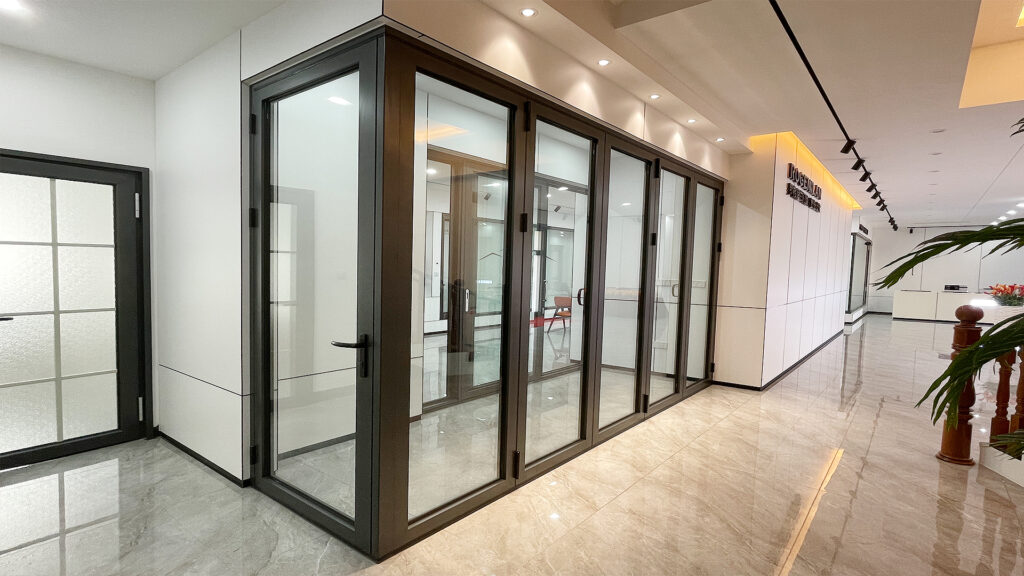
Custom Designs: Non-standard sizes or shapes, such as curved windows, require custom molds and special processes, leading to extra costs.
3. How to Get the Most Competitive Factory Price
Define Procurement Needs and Specifications
Buyers must clarify the type, size, color, glass type, and hardware configuration required before obtaining an accurate quote.
Compare Multiple Suppliers to Find the Best Value
It’s essential to compare a few reputable suppliers with strong production capabilities, focusing on factors like product quality, price, delivery time, and after-sales service to avoid sacrificing quality for low prices.
Bulk Orders for Additional Discounts
For large orders, many manufacturers offer tiered discounts. For instance, prices may drop by 10%-15% once the order volume reaches a certain level. Signing long-term contracts can also secure preferential pricing and prioritized production scheduling.
Consider Shipping and Customs Costs
When purchasing aluminum windows and doors, buyers should factor in shipping, customs duties, and other additional costs. As aluminum windows and doors are relatively heavy, shipping can make up a significant portion of the total cost. Buyers can reduce these expenses by selecting appropriate logistics companies and controlling the shipping method.
4. Conclusion: How to Achieve Low-Cost, High-Quality Procurement
By purchasing from Chinese aluminum window and door B2B suppliers, you can gain a clear price advantage while ensuring product quality and timely delivery. To maximize procurement efficiency and reduce costs, follow these steps:
Define your needs and select the correct product specifications.
Compare quotes from multiple suppliers.
Obtain bulk order discounts.
Manage shipping and customs fees carefully.
If you have any questions or procurement needs regarding aluminum windows and doors, feel free to contact us. We are committed to providing professional consultation services and the most competitive quotes.

Want to get the latest aluminum window and door factory prices, product catalogs, or samples? Contact us now and start your efficient procurement journey!